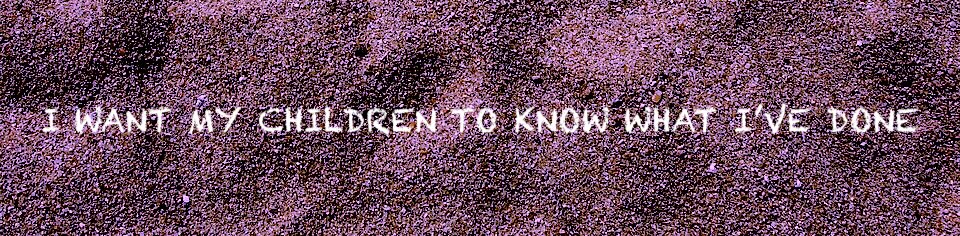
Every few meetings, we throw our members a “prompt” challenge – images, phrases, quotations or sometimes something even more esoteric – designed to trigger short story ideas. The following eerie, sci-fi short story was written by Sharon Black in response to the prompt, “I want my children to know what I’ve done.”
I want my children to know what I have done.
Words. Scratched in sand. In a cell. In a cave full of cells. With bones.
On a moon at the furthest corner of their charts. They were explorers, full of questions.
They parked the ship in low orbit and their archaeological expedition broke into a cavern so huge they could not believe its enormity. Having taken sufficient readings and satisfied most minimal safety protocols, they began to explore cells arrayed about the rocky walls, hollow chambers like bubbles. They should have waited for the full battery of results.
They established 2,794 cells; each occupied. The occupant had died there, prevented from escaping by doors that no longer existed except as large piles of purplish dust littering the floor. Samples were taken and sent to the ship for analysis, but tests identified no previously known substance. It was the same with the bones, ground down by time – no known species. Base, with its more sophisticated techniques and greater resources, would identify these unfortunate prisoners when the ship returned. Initial observations suggested several different species.
More samples were collected, images stored, and theories flew during the long evenings. They were tirelessly efficient; everything that could be lifted was packed.
Why, they asked, why? Their translation devices were mute. They were no wiser than when they had begun. In each partition. I want my children to know what I have done.
A deep well had formed in the centre of the cavern, something glistened in the lights they shone. They concluded it was a crude type of glistening purple powder or sand.
By the next day it had almost reached the well’s topmost lip. The day after that it spilled over and formed glittering streams. They collected samples and sent them up to the ship.
The rivulets were broader in the evening, driving outwards.
When they woke, the sand had virtually enclosed the floor, and their rattled leaders decided to leave. Messages were sent to the ship; they packed up their equipment and cases were carried outside and stacked for the shuttles to collect. The next day they remained uncollected.
The sand was everywhere. The central well began to thud, a heartbeat that resonated with each member of the expedition. Night fell, no shuttle appeared, and there was no response from their ship. They slept apprehensively that night, set sentries, trying the ship repeatedly with no luck.
The next morning every member of the expedition walked calmly to a cell, entered and faced the entrance. The sands rose, took form and mass and shape, became doors that slammed and locked. Nobody came, nobody tried to escape, nobody cried, nobody spoke, nobody lived.
Each wrote in the sand of their cell:
I want my children to know what I have done.
© Sharon Black, 2026


Leave a Reply